
This morning at General Synod we debated the Faith in the City report 40 years after its publication. I had written a speech for that strongly asked for concrete action in the next five years of General Synod’s life. Unfortunately we spent a lot of time on side quests, time was short and I was not called to speak. This is what I would have said. Please bear in mind that I write words for speaking out loud not for publishing as an article.
Robb Sutherland
Diocese of leeds
132
Member of the Estates Evangelism Task Group.
Synod, can we afford to deal with the structural inequalities that result in people living in intergenerational poverty?
Jesus said “Blessed are you who are poor, for yours is the kingdom of God”.
I am often referred to as the vicar of a low wealth, low income parish.
This is always the worst way to define any community.
“Poor”.
What I am is the vicar of a high faith, high discipleship parish.
“For theirs is the kingdom of God”.
Twenty years ago as an ordinand I read Faith in the City as a core text for urban theology.
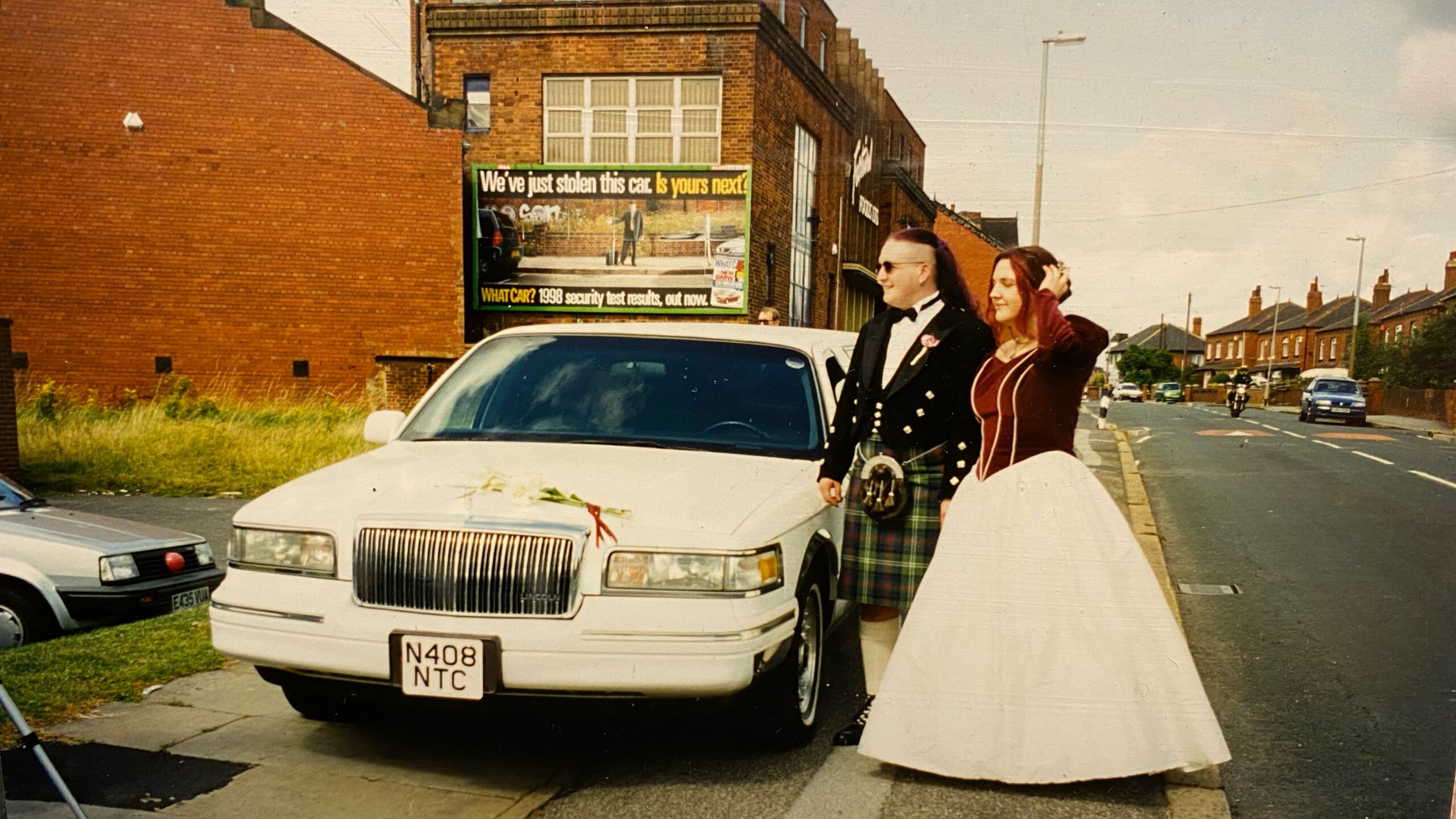
I was married in an “urban priority area”.
We were photographed next to the wedding car underneath an advertising hoarding that declared “we’ve just stolen this car, is yours next”?
It is of course now rebranded as merely an “urban area”.
There is a huge difference between being broke and being poor.
Last month I knew what it meant to be broke.
Every month I know what it means to be broke.
I have run out of money because I’ve spent it on stuff I enjoyed like guitars and beer.
And I have a clear time frame ahead.
I will get paid.and I will have money again.
The cycle continues.
I used to know what it was like to be poor.
I once lost the last twenty pound note when I was on my way to Kwik Save to pay the gas bill.
There was no payday coming.
No way to pay the bill.
No way to explain to my wife that we were poor.
Real poverty is when it is payday and still there is no money.
Inter-generational poverty is not the same as being broke.
It is an unseen inheritance that is very much passed down.
It comes with a stigma.
The “undeserving poor” walk amongst us.
They are discussed regularly in headline news.
We are told that people can eat for just 30p a day if they stop spending all of their money on trivial things like nappies.
The reality we live in is that everyone believes they are poor when they are in fact broke and waiting for an upcoming payday.
Real poverty goes unseen.
We all live within society’s narrative of scarcity.
The fear of scarcity drives our country’s politics.
Fear of scarcity drives much of our discussion at Synod.
But God gives us a theology of abundance.
We actually live in a world in which we have more than ever before.
And still we live with abject poverty amongst us.
It is a gospel imperative to care for the poor.
It is vital that we give out of the abundance with which we have been given.
I began with a question.
How can we afford as the church to not deal with the structural inequalities that result in people living in intergenerational poverty?
In the next quinquenium of synod we must have items on our agenda that lead us to significant action.
Concrete action.
Prioritisation of those vast urban areas.
This is a gospel prerogative.
I didn’t get to call for concrete action to put our money where our mouth is like we did 40 years ago. I will continue to campaign for us to be a force for good in areas where people live with the generational inheritance of poverty. I will work out how we can ask these hard questions once more in the heart of Westminster.
Thank you Robb
We need more stories of those living, serving, flourishing and yet still surviving at times at all strategic levels.
I don’t think that things will change until this is the case. And yes, abundance changes how see all aspects of our life together in mission and ecclesial community. Thankful for your sharing of creativity, hope and examples of concrete change in the long term.