0

Category: Justice

Invisible People

There is a fashion at the moment for videoing yourself doing unusual things and uploading it to youtube. They are everywhere but Upworthy share these types of video at an almost hourly rate. Often they highlight issues within our society that should cause us great shame like the plight of the poor or homeless.

Here we have a video that I keep seeing again and again appear on Facebook and twitter. A homeless man is begging on the street and some students come and play music with his bucket.

[EDIT – it got taken down]

I can’t help feeling uneasy about the whole scenario. This homeless man is someone we never hear from or about in the whole clip. He is still homeless and still has no voice at the end of the video. He becomes part of a freak show that no doubt generates lots of traffic to someone’s YouTube account.  I’m haunted by the bewildered look on his face as they leave arm in arm having changed… their YouTube hit count.

As we wander through life we are increasingly oblivious to “the other”.  We wear our headphones and stare at our smart phones as we hustle and bustle from one place to another.  There are marginalised people who are invisible in our society.  We speak about them but we rarely hear from them.  The homeless woman sitting on a sleeping bag at the corner of the road by the market is someone we either walk past or throw some loose change at.  As a society we are paternalistic in the way we engage with “the other”.  We talk about those “invisible people”, the poor or the homeless and we are in danger of dehumanising people we see as “problems to fix” as we turn people into objects.
The Mail on Sunday, Foodbanks and Self Esteem

Thank the Lord it is self esteem Friday, perhaps now I can finally pay these bills.  Hi, is that British Gas?  I’m skint but I feel fantastic.  I’m wondering, are you prepared to accept self esteem?

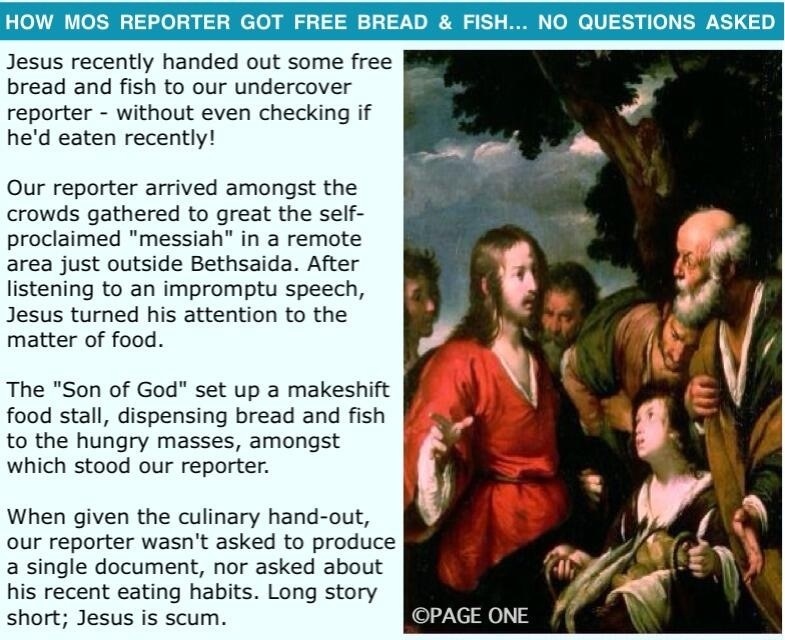
I’ve been a bit busy of late. When we finished the final shout of “he is risen indeed” I discovered that the Mail on Sunday chose the day of resurrection to… not to put too fine a point on it… Lie despicably to steal food from the poor. Here’s the strap line:

HOW MOS REPORTER GOT 3 DAYS OF GROCERIES… NO QUESTIONS ASKED

The reporter then details how lots of questions were asked but he… how do I put this…  lied through his teeth.

As a trustee of a food bank I was interested in the developments. There have been some good things to come out of this. There has been a huge surge in donations to Foodbanks. Thank you humanity for restoring my faith in you. More importantly, there has been a backlash against the Mail on Sunday as they have exposed themselves for what they really are.

20140421-100917.jpg
Thanks to @jamiedm


Here is an open letter to the MOS from a parent of a two year old.

I’ve got a little boy. His name is Isaac, and he’s nearly three. Like any little boy, he loves cars, balls, and running around. He’s barely ever still.

A few days ago though, he was. I took him to the supermarket to spend his pocket money, and we passed the donation basket for our local food bank. It was about half full – nothing spectacular, in fact, mostly prunes and pasta – and he asked what it was. As simply as possible, I tried to explain that it was for people to give food for other people who couldn’t afford it.

This affected his two year old brain fairly deeply. After a lot of thought, he decided to spend a little bit of his pocket money on some treats to donate, because “children haffa have treats when they mummy and daddy is sad!” Nothing exciting. A chocolate swiss roll (about 29p), some angel delight (about 40p). Just a treat for a child, from a child who cares.

Daily Mail, I’ve got to ask. Why does my two year old get it better than you do?

Please go and read the whole letter. Kevin Bridges gets it: “Imagine working in a shop where everything is worth a pound except you” . A two year old gets it. The Mail on Sunday don’t get it.

Next week you will probably find an expose about me gracing their pages because I’ve written this blog. It’s probably all true. Or not.

Mental Health Cuts Put Lives at Risk

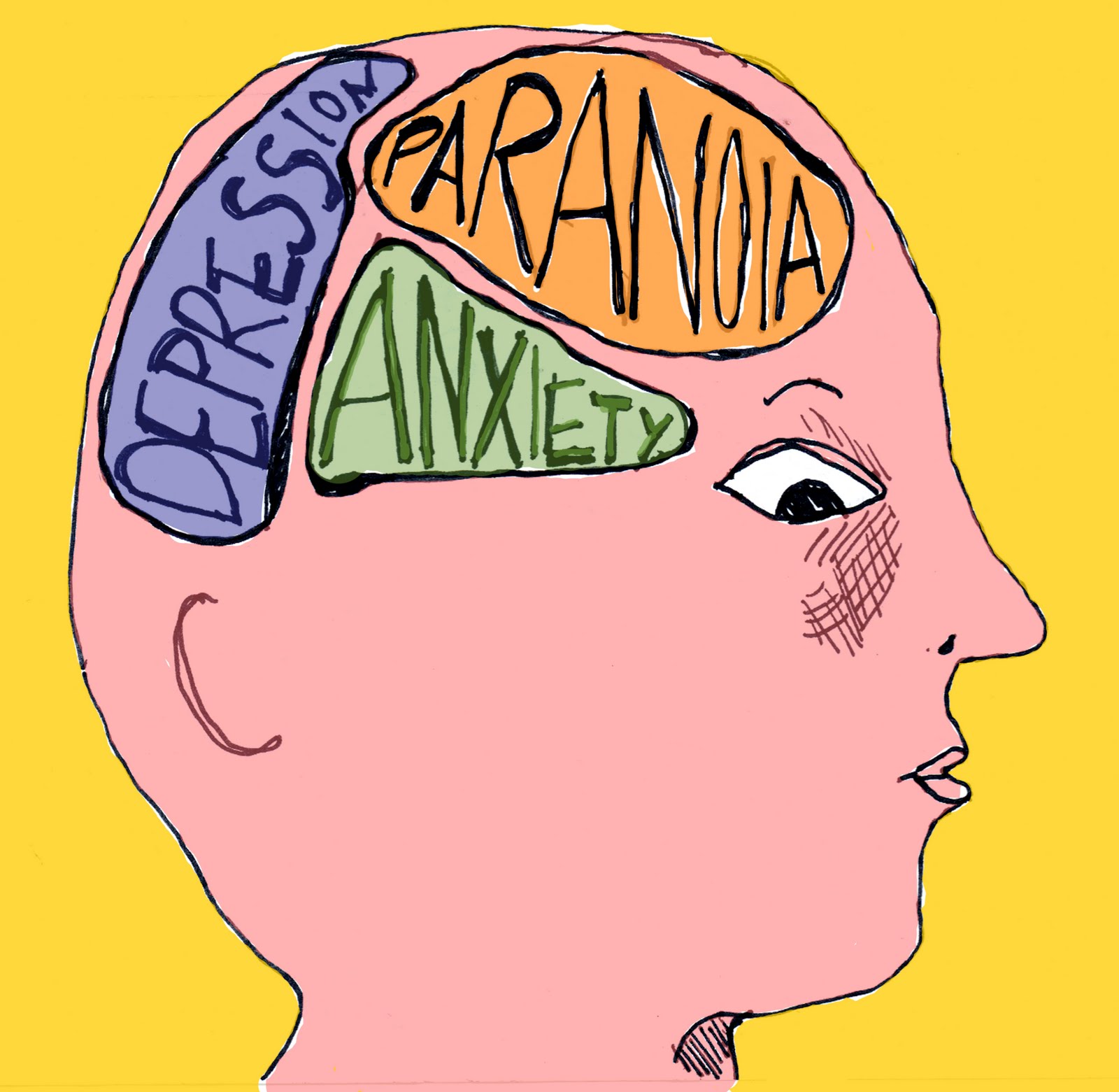
One in four people suffer from mental health problems in their lifetime.  The UK government is calling for better mental health provision whilst cutting funding for the NHS. There are deep cuts happening in mental health services across the country. You probably haven’t heard this as it is being swept under the carpet. Finally, there is a flicker of hope as the BBC begins to publicise this dichotomy.

Mental health charities warn cuts ‘put lives at risk’.

The Mental Health Foundation, Rethink Mental Illness, Mind, the NHS Confederation Mental Health Network and the Centre for Mental Health and the Royal College of Psychiatrists have released a letter on Wednesday warning that planned cuts for next year will put lives at risk as the system is already underfunded.

At this point, people with mental illness are being failed, massively. The long term nature of mental illness means that this is a problem that will come home to roost for society in the future. Politics on the other hand is a short term activity and is only concerned with the immediate future and winning the next popularity contest.  Politicians like Cameron and Clegg will not be in government when the effects of these cuts become chronic.  They will be making after dinner speeches about their time in government whilst the human cost is finally counted. For them it will be “someone else’s problem”.  For those who lose their quality of life or a loved one there is a real cost.9884

In the current climate, there are some people for whom the human cost will always seem irrelevant.  This shouldn’t need saying but in recent years there is a need to spell it out: there is a serious economic consideration to creating a system in which thousands of people are left as “unproductive members of society”:

Sean Duggan, chief executive of the Centre for Mental Health, said early intervention programmes were “very good value for money” and the prospect of budget cuts was “very worrying”.

“Early Intervention in Psychosis services are known to be highly effective in helping young people to negotiate their first episode of psychosis”, he said.

“They offer hope of a brighter future by helping young people to stay in education, to get and keep work, and to support their physical health.”

He described the cuts as a “false economy”.

“They save the NHS £9 and the wider economy another £9 for every £1 invested in them.”

Facilitating people back to “productive lives” makes economic sense for the country. Consigning people to a lifetime of mental illness makes no economic sense.

Please, please publish this far and wide.  This is a problem that the current government is creating for the future!