

If I had a pound for every Facebook post I’d seen this week complaining about AI slop I’d be a rich man. As a gigging musician who also writes and releases original music, I am surrounded by creative people. As musicians, artists, poets and writers we see the increasingly generic nature of AI generated content. If you have seen one Halloween themed gig or event poster churned out by ChatGPT in the last few weeks, you have seen them all.
People are increasingly exhausted by “AI slop” because it prioritizes quantity over quality, flooding the internet with generic, repetitive, and often inaccurate content. This automated filler buries genuine human insight and creativity, making it harder to find authentic perspectives online. Instead of adding value, it creates a frustrating digital landscape where users are forced to sift through endless, soulless text just to find a simple answer.
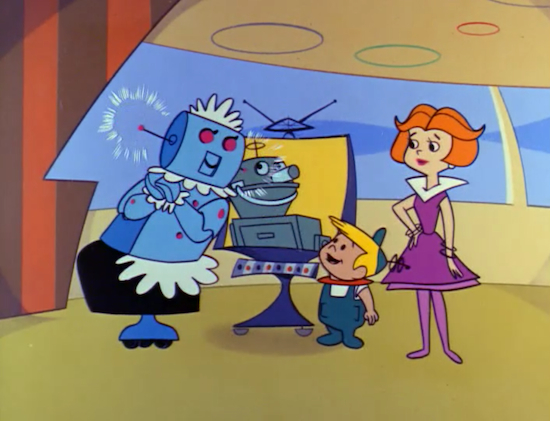
Sadly, I have grown into the “I remember when” phase of life. For clarity, I DO NOT remember the 60s. As a child of the 80s, we lived on a stream of Hannah Barbara reruns and Maggie Philbin presenting Tomorrow’s World. Both programmes promised a future in which Robot slaves took the hard work and menial tasks and freed our time so that we could be creative, read or socialise. Now of course we know that money talks and that technology can be utilised to increase our workload, zoom meetings into our coffee breaks and ping a work WhatsApp group at you whilst you fail to fall asleep. Our creativity is now outsourced to ChatGPT whilst work is funnelled more efficiently into every corner of our lives.
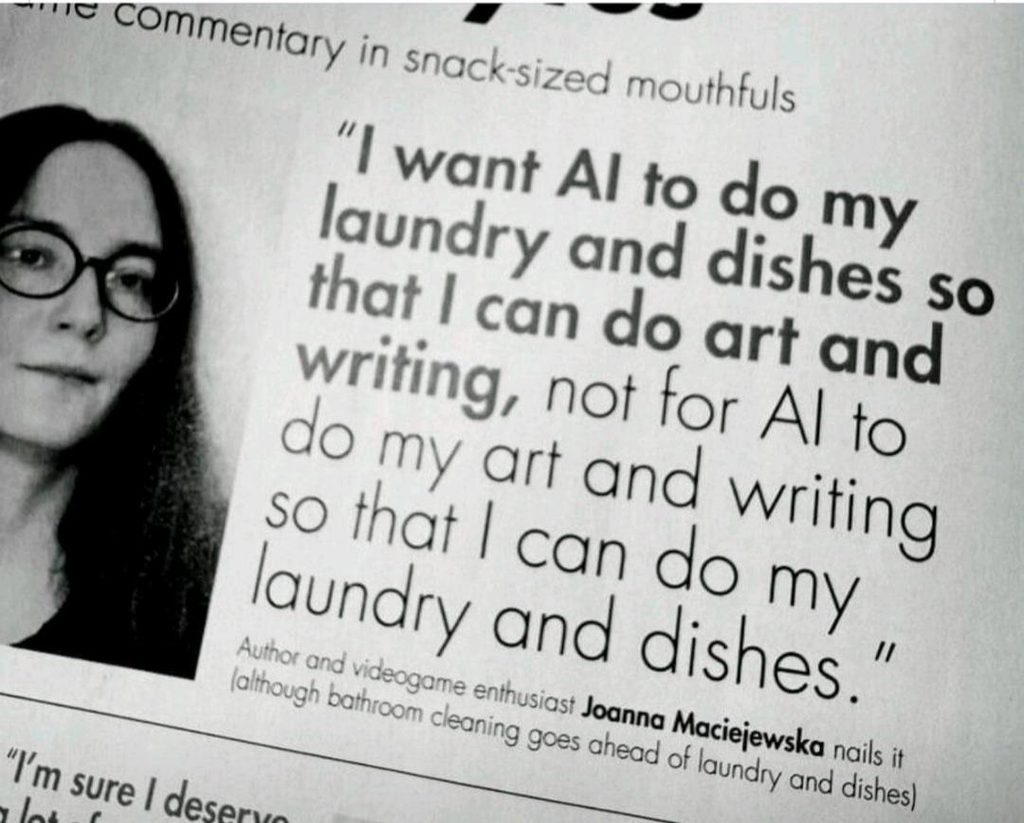
Artificial Intelligence is the hottest topic of conversation in every pub and round every dinner table. For some it hails the coming age of utopian enlightenment. Many others believe that it will bring about the fall of humanity with an imminent apocalypse. This morning I came across this video in which Professor Hannah Fry highlights the unpredictable and potentially dangerous nature of autonomous AI agents. Unlike traditional chatbots that simply answer questions, AI agents are capable of taking real-world actions, such as browsing the web, sending emails, and spending money. In the video, she creates an AI agent named “Cass” and gives access to a credit card and real-world tasks. You should watch what happens next.
This year signifies a seismic shift in artificial intelligence. We had created passive tools that generated increasingly bland text or images. Now there are autonomous agents that can operate a computer just like a human interacting with software, websites, and other people. As AI agents can act faster and more persistently than we can and without direct supervision there are lots of ethical questions we are going to face in the coming months. We know one thing for sure – money is driving this whole technological shift.
That’s enough time for writing. Siri tells me that it is time for the next zoom call.